eSWATINI (SWAZILAND) GAME RESERVES, NATURE RESERVES, GAME LODGES AND GAME PARKS
|
GAME RESERVES |
ROYAL JOZINI BIG 6 ESTATE |
 |

Royal Jozini
Tel : 011 704 2911
Mobile : 082 550 4614
stay@royaljozini.com

for more information
|
|
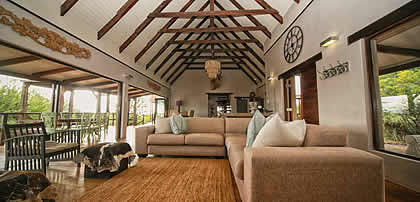
Royal Jozini Private Game Reserve is situated in the south east of eSwatini (Swaziland) in a low-risk Malaria area, just 9kms from the Golela border post near Pongola.
Nature-lovers’ Heaven
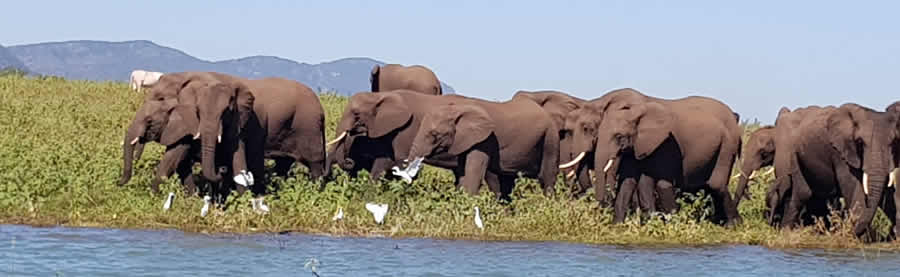
Royal Jozini is renowned for being a popular getaway for people those who love being immersed in nature. The scenic surrounds include spectacular views of the Lubombo Mountains and Lake Jozini.
Fishing and Birder's Paradise |
|
click here to check our specials
|
| |
Mkhaya Game Reserve

eSwatini (Swaziland)'s
Refuge for Endangered Species
|
Mkhaya Game Reserve
In the southeast of eSwatini (Swaziland), the heart of the lowveld lies an un spoilt wilderness, haven to endangered species.
Mkhaya was established in 1979 to save the pure Nguni breed of cattle from extinction and is a proclaimed Nature Reserve.
Its focus has expanded over the years to include other endangered species such as black rhino, roan & sable antelope, tsessebe, white rhino, elephant and other locally endangered species. |

CLICK HERE FOR BOOKINGS
|
| |
NATURE RESERVES
Mlilwane Wildlife Sanctuary
CLICK HERE FOR BOOKINGS |
Mlilwane Wildlife Sanctuary
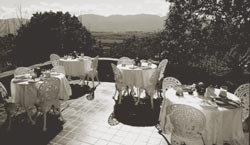
Formally the home of Mickey Reilly, one of eSwatini (Swaziland)’s earliest white settlers and a highly entrepreneurial man, the house has remained in the family.
I has recently been transformed into a unique hilltop lodge tastefully decorated in keeping with its colonial roots |
 |
| |
Malolotja Nature Reserve
CLICK HERE FOR BOOKINGS |
Malolotja Nature Reserve
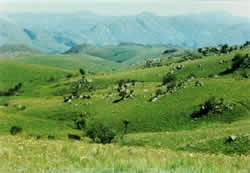
is one of the most impressive mountain parks in Southern Africa. The spectacular scenery and the variety of fauna and flora makes it a prime highveld conservation area. It is the last unspoilt mountain wilderness left in eSwatini (Swaziland). The reserve extends over an area of 18 000 hectares in north-west eSwatini (Swaziland), making it the largest proclaimed protected area in the Kingdom. |
 |
| |

CLICK HERE FOR BOOKINGS
|
Phophonyane Nature Reserve
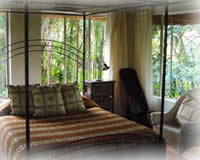
Birds and small mammals such as Red Duiker and Cape Clawless Otter are abundant within the reserve. Narina Trogan, Purple-crested Lourie, Wood Owl and a remarkable 230 other species of bird lifePhophonyane is situated high in the mountains with the rugged Gobolondlo and Makhonjwa ranges as a backdrop |
 |
| |
Mlawula Nature Reserve
CLICK HERE FOR BOOKINGS |
Mlawula Nature Reserve
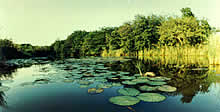
is located in north-eastern eSwatini (Swaziland). The Lubombo mountains are the most impressive natural feature of the reserve. The Mbuluzi river runs along the northern boundary of the reserve, passing through an impressive river valley in the north-east. |
 |
| |
Hawane Nature Reserve
CLICK HERE FOR BOOKINGS |
Hawane Nature Reserve
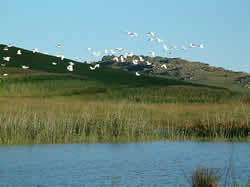
was initially established in 1978 to protect an area of marsh along the Mbuluzi river, including some of the natural habitat of the eSwatini (Swaziland) endemic, Kniphofia umbrina, an extremely rare "red hot poker".
The nature reserve was extended in order to protect Mbabane's water supply through the protection of Hawane Dam and its surrounds, following the construction of the dam in 1988. |
 |
|
|
| |
Mantenga Nature Reserve
CLICK HERE FOR BOOKINGS |
Mantenga Nature Reserve
is a small protected area of 725 hectares in a secluded corner of the Ezulwini Valley,although it is only two kilometres from a major road.
The Little Usuthu River (Lusushwana) forms the southern boundary of the reserve; over this rivier are commercial pine forests and Mlilwane Game Sanctuary.
To the north and west is Mlilwane North (a protected area but not open to the public), and a residential area is on the eastern side.
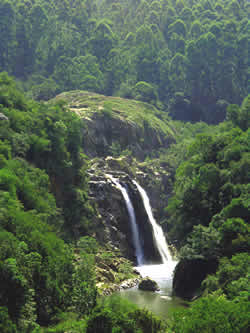
The Mantenga Waterfalls are eSwatini (Swaziland)'s best-known falls, and the largest in terms of volume of water (95m high). This is despite the construction of the Luphohlo Dam some 15 km upstream, where water was diverted for electricity generation. |
 |
|
| |
| TOUR GUIDES |
 |
TOTAL EXPERIENCE TOURS
Qualified and licensed Tour Guide in Eswatini,Swaziland
I was born and raised in Eswatini (formally Swaziland) lived all over the country and I'm passionately in love with it. I know it from the heart, inside out.
After you have seen Africa through my eyes, it will forever be in your heart |
 |
Thulani
Mobile : +268 7626 2992
Email :
terahyende@gmail.com
or go to Booking Enquiries form

|
|
| |

For More Info
|
Contact Person: Lillian
Tel: +27 (0)13 794 4300
To email us for information
Click here
To email us for reservations
Click here
|
 |
Summit Tours
have over the years established a tried and trusted relationship with the travel industry, hotels, lodges, safari/game lodges, airports and private clients. Summit Tours also has eSwatini (Swaziland) tours for eSwatini (Swaziland) attractions such as Ngwenya mine tours, Ngwenya Glass tours, Mantenga Cultural Village, Mantenga Waterfall, National eSwatini (Swaziland) Museum Tours, King Sobhuza ll Memorial Park, Mantenga Nature Reserve, Maguga Dam, Mantenga Craft, Ezulwini Craft, City Tour (Mbabane), Swazi Trails
|
|
| |
 |
Mike Pingo
Tel: +27 13 744 9254
Fa x: +27 13 744 9251
Cell : +27 83 625 6991
sunavian@soft.co.za
www.sunriseaviation.co.za |
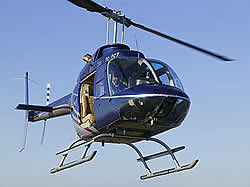 |
Sunrise Aviation
offers a diverse range of helicopter services.
-
Helicopter charters and transfers
-
Scenic flights and safaris
-
Game census services
-
Aerial photography and movie sets
-
Chartered airport transfers - KMIA
Based in Nelspruit, Mpumalanga, you may charter our helicopters throughout most of Southern Africa, eSwatini (Swaziland) & Mozambique |
|